[email protected] Request a Quote
  Call Us +86-371-66859535

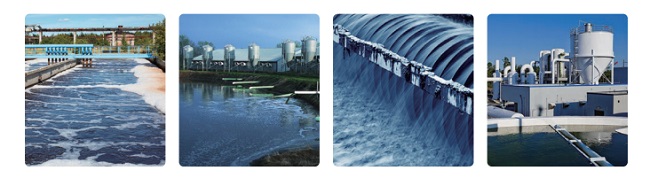
Polarity Reversing Rectifier Application in Water Treatment Industry
Polarity Reversing Rectifier Application in Water Treatment Industry
Polarity reverse rectifier is used in the water treatment industry for metal recovery. It recovers metals from electronic waste and other scrap materials.
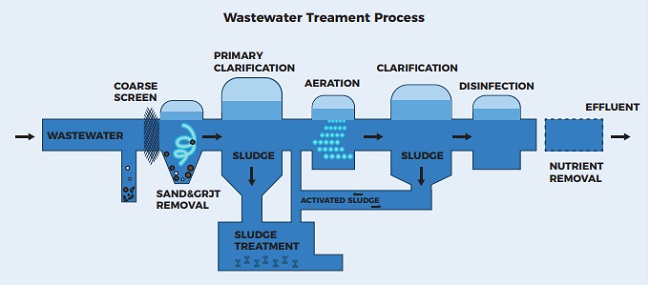
How Polarity Reversing Works in Water Treatment
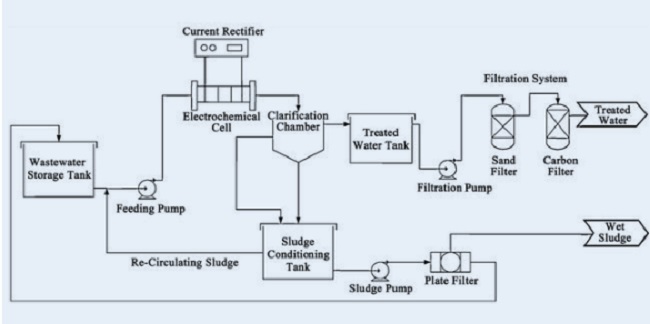
In water treatment, polarity reversing means switching the current polarity at regular intervals. This is done in electrochemical systems such as electrocoagulation. The point is to keep deposits from building up on the electrodes. This buildup is commonly called fouling. Particles build up on the electrode surface. Removing them keeps the treatment process efficient. In practice, the polarity is reversed several times per hour. This keeps the electrodes clean.
Applications
E-Waste Recycling
Reverse power supply helps recover precious metals from electronic components. These include gold, silver, and palladium.
Electrocoagulation
Periodically reversing the polarity leads to better treatment performance over time.
Electrodialysis
An electric field and semipermeable membranes remove dissolved ions from water. Ions accumulate on the membrane surface. When the polarity is reversed, these ions are pulled away. This prevents buildup. It also extends the lifespan of the membrane.
Product Advantages
Efficiency
This method recovers metals efficiently and with high purity.
Environmental Impact
Less waste goes to landfills. There is also less need for mining new metals.
Safety and Environmental Concerns
The electrolyte contains chemicals. Electronic waste also needs careful handling. Both must be managed carefully to prevent environmental contamination.
Polarity reversing rectifier recovers metals efficiently and with high purity. Polarity reverse is a valuable technique for metal recovery. It uses electrochemical principles to extract metals from various substrates. This makes it an important process in recycling and resource recovery.
It reduces the need for frequent membrane cleaning. It improves water quality by removing more ions. It extends the lifespan of the electrodialysis system. high purity.
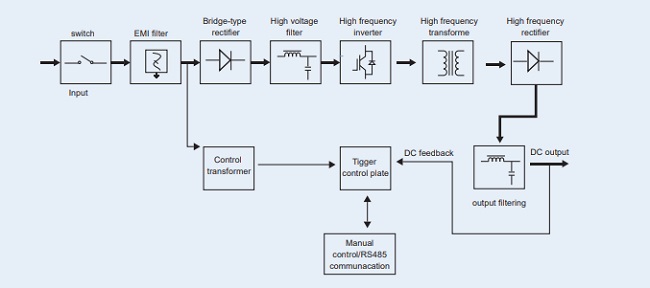
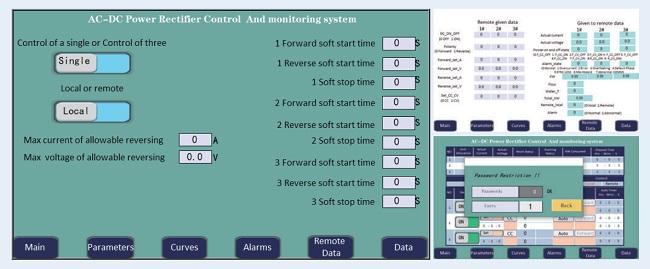
Rectifier Network Control System
Optional Models
| TBFA-50A/±200V | TBFA-180A/±220V | KCFB-3000A/±26V |
| TBFA-60A/±250V | TBFA-180A/±400V | TBSA-3000A/±36V |
| TBFA-80A/±150V | TBFA-200A/±185V | TBSA-2500A/±20V |
| TBFA-130A/±200V | TBFA-200A/±300V | TBSA-2500A/±20V |
| TBFA-150A/±120V | TBFA-200A/±320V | TBFA-150A/±120V |
| TBFA-150A/±150V | TBFA-250A/±60V | TBFA-120A/±250V |
| TBFA-150A/±200V | TBFA-300A/±300V | TDSA-3*400A/±30V |
| TBFA-150A/±240V | KCFA-3000A/±6V | TBSA-1200A/±30V |
Project Cases
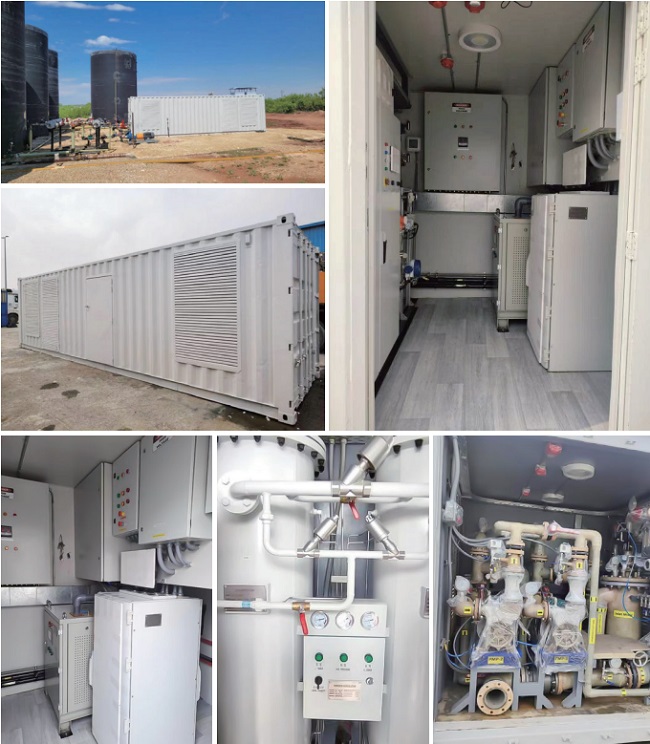
Saudi Arabia ±30V 1200A Water Treatment Rectifier Project
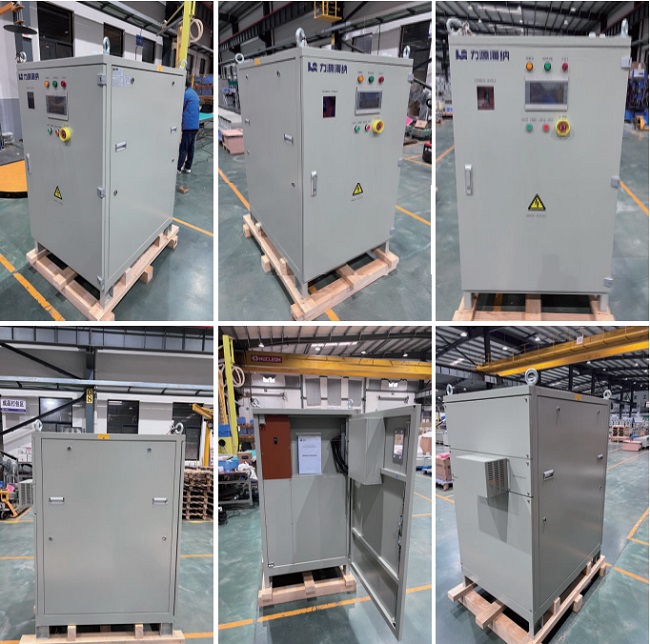
Singapore ±500V 100A Water Cooled SCR Type Water Treatment Rectifier Project
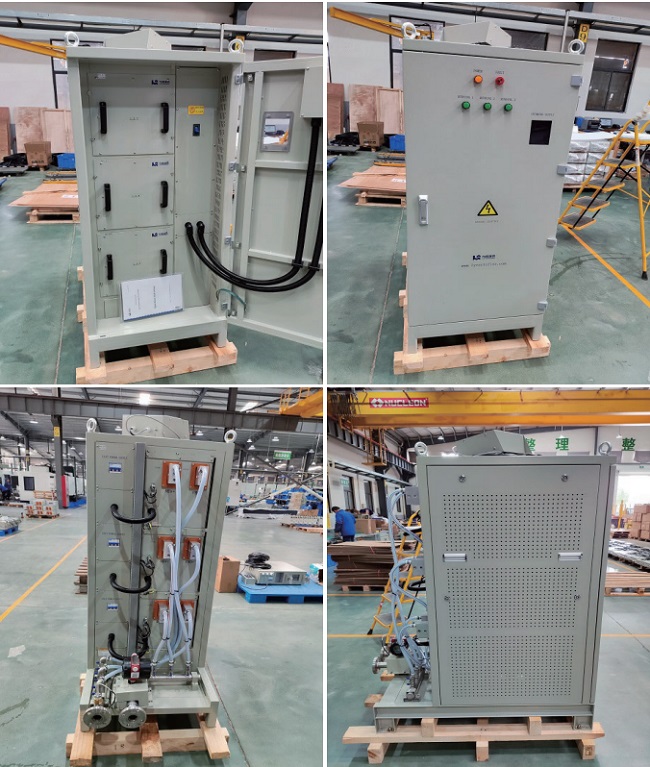
Germany ±30V 400A Water Cooled IGBT Type Water Treatment Rectifier Project
FAQ
What is polarity reverse rectifier used for?
Metal recovery from electronic waste and other scrap materials.
What is polarity reversing in water treatment?
Switching the current polarity at regular intervals to prevent fouling.
How often is polarity reversed?
Several times per hour.
What are the applications?
E-Waste Recycling, Electrocoagulation, Electrodialysis.
What are the advantages?
High purity metal recovery, reduced waste sent to landfills, less need for mining new metals.
⚡ Liyuan Haina Rectifier
Professional Manufacturer of IGBT and SCR Rectifiers
Our products are mainly used in electroplating, electrolysis, electrochemistry, anodizing, electrophoresis, smelting, surface treatment, photovoltaics, energy storage, hydrogen energy, and other applications. They are also widely used in industries such as hydrogen electrolysis, copper refining, copper electrowinning, electrolytic copper foil, and related industries.