

 [email protected] Request a Quote
  Call Us +86-371-66859535

Copper Refining Process: From Electrolysis to Electrowinning
Technically speaking, electrolysis covers many kinds of industrial processes where electricity is used to make chemical reactions happen. It can be found in metal refining — like copper refining or nickel refining — in metal extraction such as aluminum and magnesium, in hydrogen production by water splitting, and also in the chlor-alkali field. When it comes to copper refining, there are mainly two electrochemical methods used to get high-purity copper.
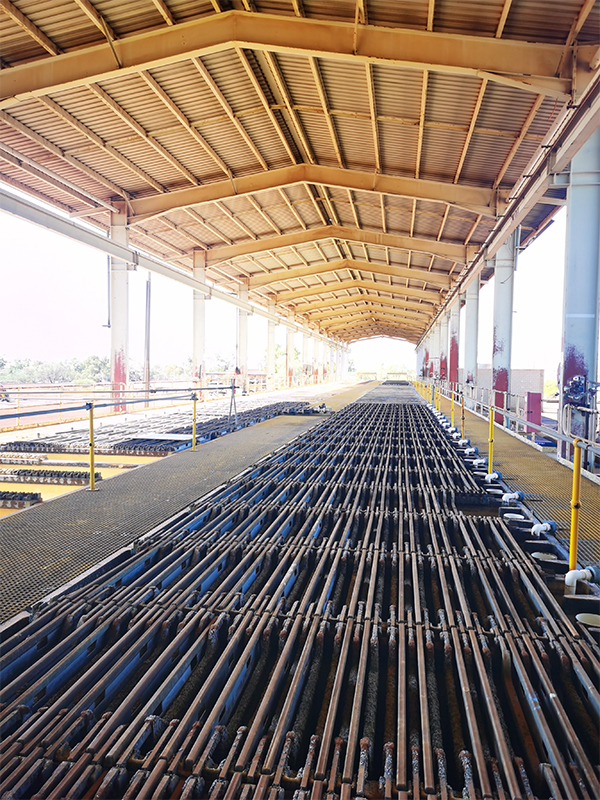
One is electrolysis, which is used after smelting. The other is electrowinning, used when copper comes from leaching solution.
Electrolysis Process
Blister copper, about 99% pure, is made into anode plates. These plates are put in tanks with copper sulfate and sulfuric acid. The cathode is a thin sheet of pure copper.
When current passes, the anode dissolves into Cu²⁺ ions and these ions move to the cathode and deposit as metal. Impurities fall down as slime.
This method gives very pure copper (99.99%) and the anode slime contains gold and silver that can be recovered.
Electrowinning Process
In this process, copper is leached from ore by sulfuric acid. The solution is purified by solvent extraction to get a clean copper electrolyte.
The electrolyte goes into a cell with lead alloy anode and stainless cathode. Direct current makes copper deposit on the cathode.
The final copper is again 99.99% pure, but no precious metals are obtained because the anode is inert.
| Item | Electrorefining | Electrowinning |
| Raw material | Blister copper | Leach solution |
| Anode | Soluble copper | Lead alloy (inert) |
| Product | 99.99% Cu | 99.99% Cu |
| By-product | Precious metal slime | None |
| Power use | Lower | Higher |